
The Hidden Risks of Note-Taking AI in the Workplace: What You Need to Know
Gekko Team
•
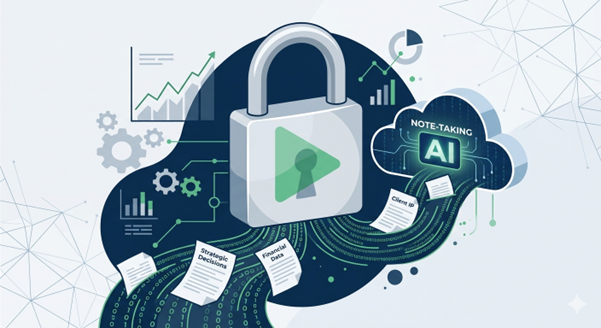
Artificial intelligence is rapidly transforming how we work. From automated transcription to real-time meeting summaries, tools such as Read.AI, Otter, and Fireflies promise increased productivity. But behind the convenience lies a growing, overlooked risk: what happens to your organisation’s data when employees grant these tools access to your systems?
The Rise of Shadow AI in the Workplace
Many organisations are already familiar with “shadow IT” applications used by employees without formal approval. We are now entering a new phase: shadow AI.
Employees often sign up to AI productivity tools independently, connecting them directly to:
- Microsoft 365 / Google Workspace
- Calendars and meeting systems (Teams, Zoom)
- Email accounts
- Internal collaboration platforms
In doing so, they unknowingly grant broad permissions to sensitive organisational data with little visibility from IT or security teams.
What Access Are You Really Granting?
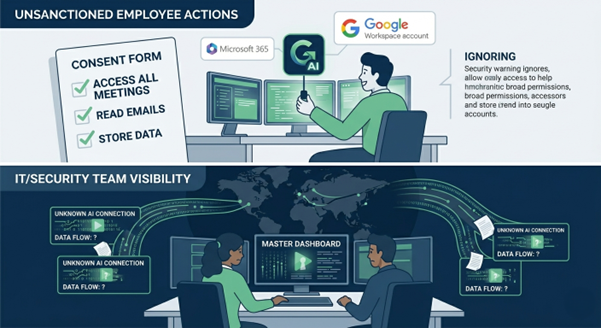
When integrating note-taking AI tools, permissions frequently include:
- Reading meeting transcripts and chat logs
- Accessing calendar metadata (attendees, topics, timing)
- Recording and analysing live meetings
- Storing summaries and transcripts externally
This raises a critical question: Do users truly understand what they are consenting to?
Key Risks to Your Organisation
- Data Leakage and Loss of Control
Once meeting content is ingested by a third-party AI platform, your organisation loses direct control over where the data is stored, how long it is retained, and who has access to it. Even with vendor security assurances, the risk surface increases significantly when sensitive discussions are processed externally.
- Confidentiality and Commercial Sensitivity
Meetings routinely include strategic decisions, financial data, intellectual property, and client information. Allowing an external AI tool to record and analyse these conversations exposes highly sensitive information beyond your controlled environment.
- Compliance and Legal Exposure
Depending on your industry, you may be subject to regulations such as GDPR, HIPAA, or financial conduct requirements. If data is processed or stored improperly, you could breach regulatory obligations and face legal consequences. Crucially, compliance responsibility remains entirely with your organisation, not the AI vendor.
- Unclear Data Usage Policies
Not all AI providers operate the same way. Unless carefully reviewed, standard terms and conditions may allow vendors to retain your data indefinitely, share it with unvetted sub-processors, or use your customer data to train their public AI models.
- Security Risks via OAuth and Integrations
Most AI tools connect via OAuth permissions. While convenient, this creates persistent access tokens and potential lateral access into your systems. A single compromised AI integration could expose far more than just meeting notes, significantly increasing your attack surface, making robust managed IT security essential for modern organisations.
The Human Factor: Convenience Over Caution
The appeal of these tools is undeniable, offering automated meeting notes, action tracking, and immediate productivity gains. However, users often prioritise convenience over risk when tools are easy to deploy. Without governance, this creates a perfect storm of unsanctioned access to business-critical data.
What Organisations Should Do
To balance innovation with risk management, organisations should take a proactive approach:
- Establish Clear AI Usage Policies: Define which tools are approved, what data can be shared, and acceptable use scenarios. Ensure AI usage policies are simple and regularly communicated.
- Control Third-Party App Access: Use Microsoft 365 or identity platform controls to restrict user consent, monitor connected applications, and require administrator approval for integrations.
- Conduct Vendor Risk Assessments: Before approving any AI tool, thoroughly evaluate its data storage locations, retention policies, security certifications, and data usage practices.
- Educate Employees: Awareness is key. Users must understand the implications of granting access, the sensitivity of meeting data, and the organisation’s expectations.
- Monitor and Audit Usage: Regularly review connected applications, data flows, and usage patterns. Early visibility can prevent larger security issues later.
Final Thoughts
AI-powered note-taking tools are not inherently unsafe, but uncontrolled adoption is. As AI adoption accelerates, organisations must also understand the wider AI data security risks associated with uncontrolled third-party tools. As organisations embrace AI, the focus must shift from simply enabling productivity to protecting the data that fuels it. The question is no longer whether your employees are using these tools, it’s whether you have the visibility and controls in place to manage the risk.
If you’re concerned about the note-taking AI you’ve installed, and would like to discuss your AI roadmap with Gekko, please book a meeting with Kristian